

“They trust each other and they cover for each other”: An Interview with GYO-Northern’s Program Director, Dr. Sally Blake
By Ines Bellina
February 24, 2026
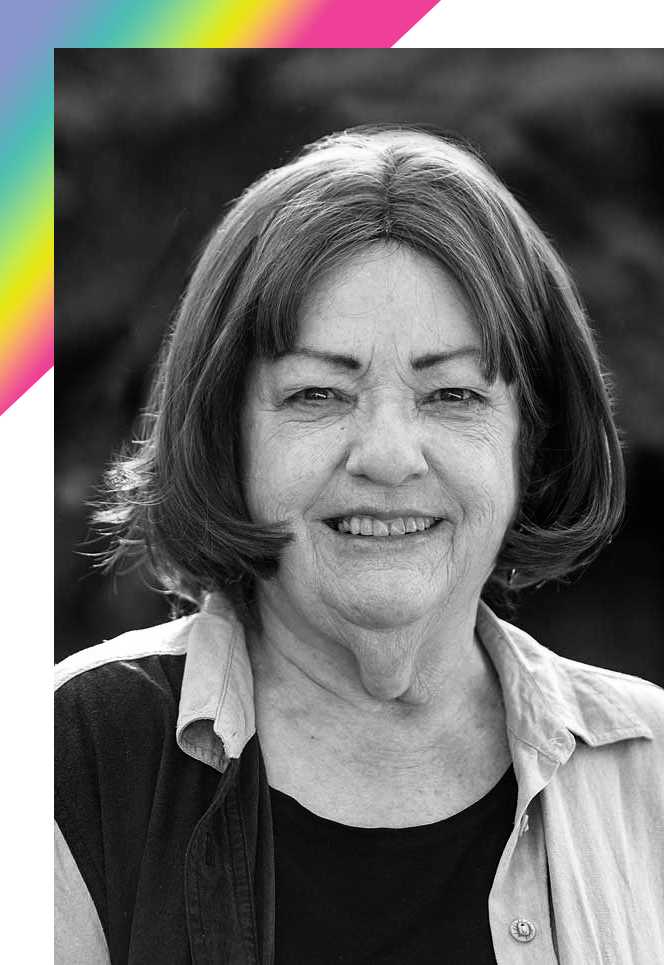
Dr. Sally Blake, GYO-Northern Program Director
To continue addressing the teacher shortage by fostering community-based teachers, Grow Your Own Illinois (GYO-IL) launched a new consortium in the Rockford area in 2025. Led by Northern Illinois University (NIU), and in partnership with NIU College of Education, Rock Valley College (RVC), Rockford Public Schools, Wabongo Leadership Council, and YMCA of Rock River Valley, GYO-Northern developed a unique program tailored to the needs of Rockford residents. In exchange for tuition support and mentorship, candidates complete a curriculum grounded in Rockford’s social and economic history, work as paraprofessionals in the Rockford School District while earning licensure, and commit to working as teachers in the district’s public schools for five years after graduating.
We talked to Dr. Sally Blake, GYO-Northern’s program director and chair of the Elementary Education Department at NIU, to learn more about how GYO-IL’s innovative approach comes to life at GYO-Northern. Dr. Blake began working with GYO-IL in 2023 before successfully launching GYO-Northern. Note: answers have been edited for concision and clarity.
GYO-IL: What are some of the defining traits of the GYO-Northern cohort?
Dr. Sally Blake: When we started this program, we conducted focus groups with NIU and Rock Valley College students as well as local parents and community leaders to develop courses specific to Rockford that teacher candidates would be taking to earn their degree. We go to their community to teach courses instead of having them come to NIU. We have people from the community, like the Wabongo Leadership Council and the YMCA, come in as presenters. We have become a community within the community. We have a huge team working with our candidates.
When our candidates first started, some were paraprofessionals, some had associate degrees, and some didn't. We had to do individual degree program plans for every one of them so they could complete their courses and start working towards their licensure at Rock Valley College. Then they transitioned to NIU. They’re just amazing. The average GPA is 3.74 and we have 20 people involved in this cohort.
We also worked with the Rockford School District to place the candidates as paraeducators during the day so they can receive health and other benefits. These jobs allow candidates to take classes at night.
What I'm learning is we have to adapt if we're going to meet the needs of our students. We share readings in podcasts, recorded lectures, guided study notes, and other multimedia formats so candidates can access course content during commutes or work breaks. Faculty share practical applications of the theory they’re teaching to candidates.
One of our key features is intentional coordination across courses. Faculty collaborate to develop assignments that reinforce common themes and allow candidates to apply learnings from one course to another. This reduces unnecessary workload and helps candidates develop a deeper understanding of essential concepts. Faculty record sessions, schedule classes in the evening, encourage collaborative problem-solving, and offer individualized support. Regular communication, advising, and feedback is part of their job.
These adjustments remove unnecessary barriers to learning. By making learning more accessible, relevant, and connected across courses, faculty help working adults succeed academically while balancing work, family, and community responsibilities.
“What I’m learning is we have to adapt if we’re going to meet the needs of our students.”
What are some of the challenges the candidates face?
One of the challenges in preparing educators for urban schools is addressing misconceptions they may hold about urban communities. That’s why we are intentional about selecting faculty and staff who recognize and value the strengths, assets, and cultural wealth within the communities our candidates serve. We're trying to find people who will keep that in mind when they come in to work with our candidates. Most of the candidates in our cohort were born and raised in Rockford. They possess deep knowledge of the community, its families, and its schools. They’re committed to serving their neighborhoods and reflect a strong desire to give back. Faculty and staff are expected to respect the candidates' lived experiences.
It was hard at first. Many had no experience in universities or had bad experiences in schools. We provided this incredible safety group. The professors mentor candidates about the expectations of universities, but they also mentor the university faculty and staff on how we should be treating the students. We pulled in leaders from the community to help us think about how we can work in this community in a way that's going to support prospective teachers.
As such, it’s become an incredible learning community based on trust and collaboration. Candidates, faculty, and community partners learn from one another and work together to develop highly effective teachers. We meet every month. That’s where we’ve built trust. If teacher candidates need us, we drop everything and do whatever we need to do.
What can the candidates expect after graduation?
Graduates have been promised five-year teaching positions in the Rockford public schools. Depending on how that goes, they may get tenure with the district. We hope they will. It's just how we have to start training teachers—teachers have to be specific for communities. They have to understand the population, and they have to become what they're supposed to be: teachers who understand children and help them succeed.
How do you think the candidates supported each other these past couple of years? Did you see unity within their group?
How could I forget their group? They were a true cohort. For example, one time there were a couple of mothers who had to bring their children to the facility we're using in Rockford. Another mother said, “I’ll have my son come and babysit them, don’t you worry about that.” They study together, they support each other. They are bonded. I think that's one of the key reasons for their success. They trust each other and they cover for each other.
